Coastal Market
Waterfront and Coastal Florida Homes: Insurance, Flood Zones and Due Diligence
By Eric Gonzalez · August 27, 2026 · 7 min read
The short answer
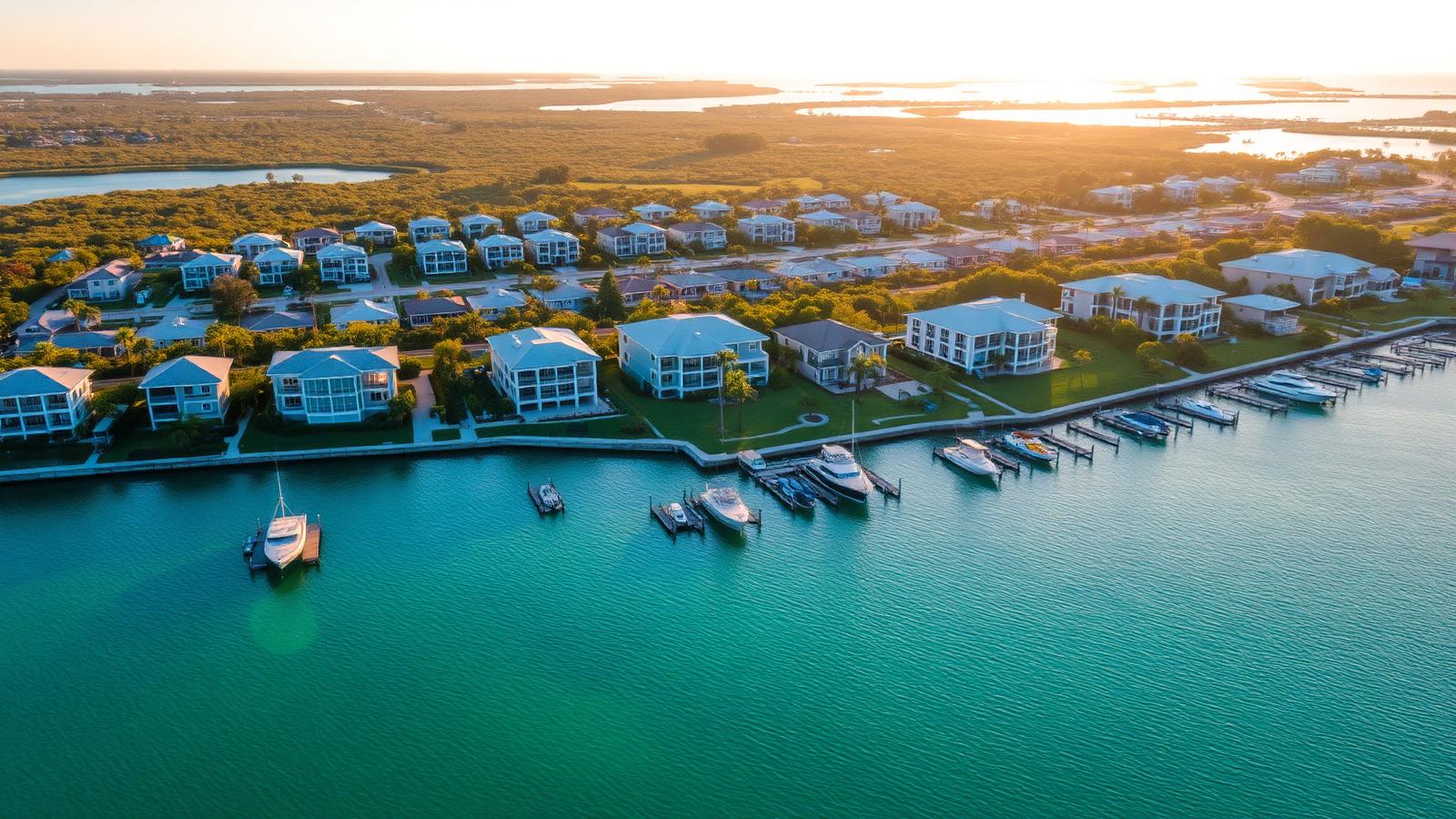
Before closing on a coastal Florida waterfront home, verify five items: the FEMA flood zone and elevation certificate for that exact address, a bindable insurance quote (wind, flood and hazard) obtained early in your inspection period, the wind mitigation report and roof age, the seawall and dock condition with any permits, and — for condominiums — the milestone inspection and structural integrity reserve study. Insurance availability, not purchase price, is the most common reason coastal contracts fall apart.
Key takeaways
- Get a bindable insurance quote in week one of your inspection period.
- Ask for the elevation certificate; it can cut flood premiums dramatically.
- Seawalls and docks are expensive, permitted structures — inspect them separately.
- Condo buyers: read the milestone inspection and reserve study before waiving anything.
Insurance first, everything else second
On the coast, the order of due diligence is inverted from inland markets. Start the insurance process the day you go under contract. A home can appraise, inspect and title cleanly and still be unbuyable if wind coverage is unavailable or priced beyond your carrying budget.
| Policy | Covers | What lowers cost |
|---|---|---|
| Hazard / HO-3 | Fire, liability, most non-flood perils | Newer roof, updated systems, claims-free history |
| Windstorm | Hurricane and wind damage | Impact glazing, roof strapping, secondary water barrier |
| Flood (NFIP or private) | Rising water, storm surge | Higher finished floor elevation, elevation certificate |
Flood zone and elevation
Flood zone designations are parcel-specific and can change when FEMA remaps a county. Two homes on the same street can carry very different premiums. An elevation certificate documents the finished floor height relative to base flood elevation; on an older home it may not exist, and commissioning one is often the cheapest premium reduction available.
Waterfront-specific inspections
- Seawall: inspect for cap cracking, tie-back failure and soil voids behind the wall.
- Dock and lift: confirm permits, verify lift capacity against the vessel you intend to keep, and check pilings.
- Water depth at mean low tide and any bridge or lock clearances between the dock and the inlet.
- Riparian rights, submerged land leases and shoreline easements — all matters for your title work.
- Mangrove and shoreline vegetation trimming rules, which are strictly enforced.
The dock is not an amenity. It is a permitted marine structure with its own inspection, its own maintenance schedule and its own replacement cost.
If you are buying an oceanfront condominium
- 01Request the milestone structural inspection report for the building.
- 02Request the structural integrity reserve study and the current funding plan.
- 03Review the last two years of minutes for assessment discussion.
- 04Confirm what the association's master policy covers and where your HO-6 policy begins.
Florida's post-2021 condominium safety requirements have reshaped budgets in older coastal buildings. A well-capitalized association that has already completed its concrete restoration is often a better buy than a cheaper unit in a building that has not started.
A workable due-diligence sequence
- 01Day 1–3: order insurance quotes and request the elevation certificate and wind mitigation report.
- 02Day 3–7: general home inspection, plus seawall/dock and roof specialists.
- 03Day 5–10: association documents, reserve study, milestone inspection.
- 04Day 10–15: review survey and title commitment for easements and encroachments.
- 05Before the deadline: reconcile the full carrying cost and decide, negotiate or withdraw.
Frequently asked questions
- How much is flood insurance for a Florida waterfront home?
- It varies enormously by parcel. The determining factors are the flood zone, the finished floor elevation relative to base flood elevation, the building's construction type and the coverage limits you select. Two neighboring homes can differ several-fold, so always quote the specific address rather than relying on a neighborhood average.
- Do I need flood insurance if I am paying cash?
- Lenders require it in high-risk zones; cash buyers are not required to carry it. Given storm surge exposure on the coast, most advisors still recommend it — an uninsured surge loss on a waterfront home is rarely recoverable.
- What is a milestone inspection for Florida condos?
- It is a state-required structural inspection for older multi-story condominium buildings, paired with a structural integrity reserve study that requires associations to fund major structural components. Both documents should be reviewed before you waive your association-document review period.
- Who is responsible for the seawall in a waterfront community?
- It depends on the plat and the association documents. Sometimes it is the individual homeowner, sometimes a shared association responsibility. Determine which before you close, because seawall replacement is a major expense.
Private Consultation
Planning a coastal Florida purchase?
Eric advises buyers on luxury new construction and 55+ communities across the Treasure Coast. Start with a confidential conversation or browse live listings.